Now Reading: 21 Simple Stunning Outdoor Wall Planter Ideas
-
01
21 Simple Stunning Outdoor Wall Planter Ideas


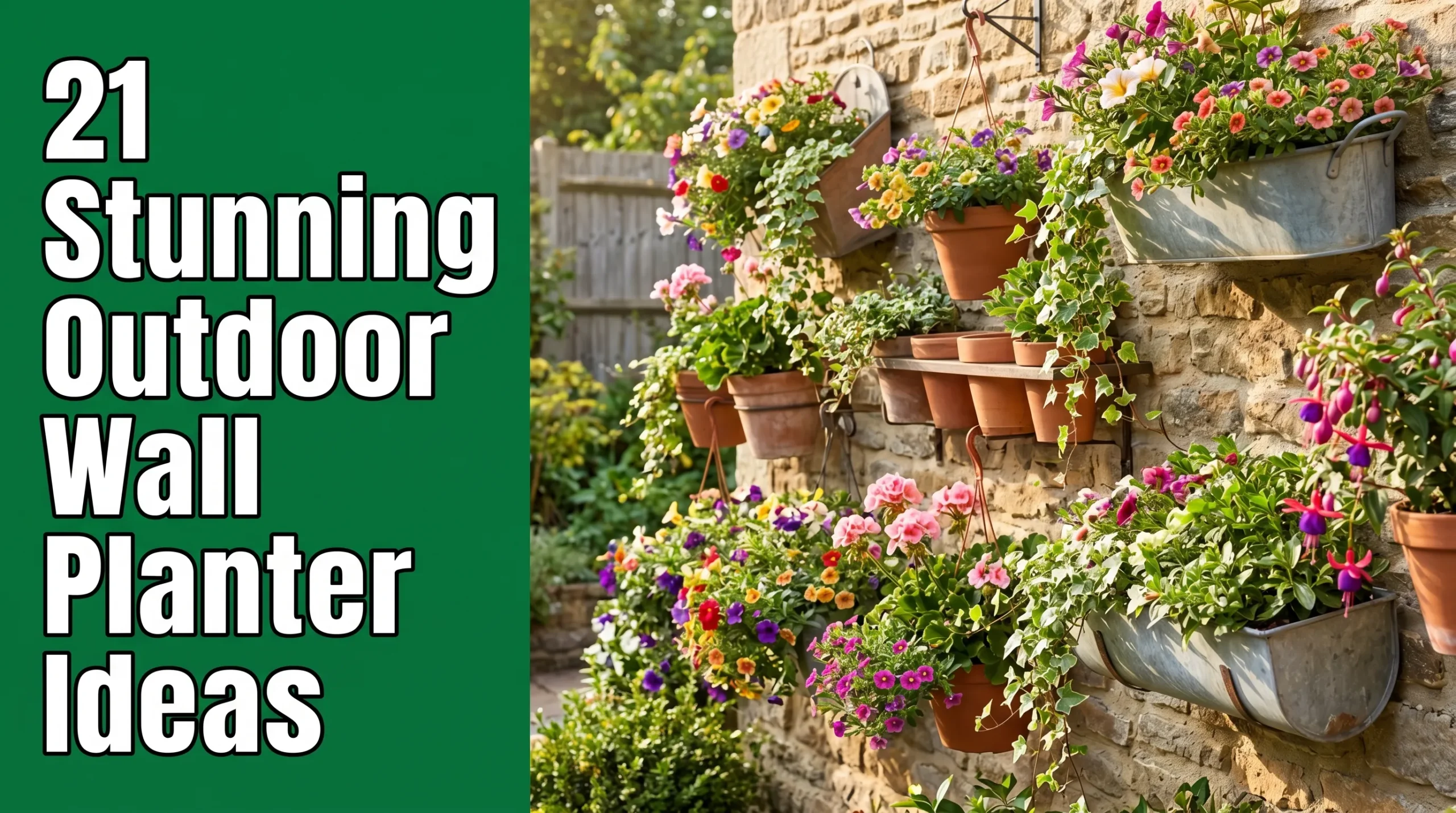
Outdoor wall planters turn a blank exterior wall, fence, or garden structure into something genuinely beautiful. They add greenery without using any floor space and they work on patios, balconies, courtyards, and garden walls of every size. Whether you want a simple single planter or a full wall of cascading plants, these ideas will give you exactly the starting point you need for your next outdoor project.
1. Terracotta Wall Pocket Planters
Mount a row of terracotta pocket planters along a garden wall or fence, each one holding a single plant. The warm, earthy tone of terracotta looks beautiful against brick, stone, rendered walls, or painted timber. Plant each pocket with something different — succulents, herbs, trailing lobelia, or small ferns — to create variety across the row. Terracotta is inexpensive, weathers beautifully, and suits almost every outdoor style from rustic to modern.
2. Wooden Pallet Vertical Garden
Stand a pallet upright against a wall or fence and staple landscape fabric inside the gaps before filling them with compost and plants. This is one of the most affordable vertical garden approaches available. Herbs, strawberries, lettuce, and small flowering plants all work brilliantly. The whole project costs almost nothing if you can source a free pallet. Seal or paint it first for a more polished look and better weather resistance over time.

3. Galvanized Metal Trough Planters on Brackets
Mount galvanized metal trough planters on simple wall brackets at different heights along a fence or exterior wall. The grey metal tone works beautifully against both light and dark wall finishes. Plant them with overflowing lavender, rosemary, trailing petunias, or annual grasses. The combination of the industrial metal and the soft organic plants creates a really satisfying contrast that works in almost any outdoor setting year-round.
4. Wicker Basket Wall Planters
Line a sunny wall with natural wicker baskets mounted on hooks and planted up with colorful trailing flowers. The natural texture of wicker adds warmth and softness to hard wall surfaces. Line each basket with coir or moss before adding compost to retain moisture. Bacopa, calibrachoa, and trailing verbena all look beautiful in this style. Replace the baskets every couple of seasons as weather gradually breaks down the natural material.
5. Painted Tin Can Wall Garden
Collect old tin cans in various sizes, spray them in matching or complementary colors, punch drainage holes in the bottom, and mount them on a fence or wall panel using wire or hooks. This is essentially a free project and the result looks quirky, colorful, and very personal. Plant with herbs, small succulents, or compact annuals. The mismatched sizes and colors add genuine character to any garden wall or outdoor cooking area nearby.
6. Tiered Wooden Box Planters
Build or buy simple rectangular wooden boxes and mount them on the wall in two or three tiers. The stepped arrangement lets plants cascade down from the top tier while the lower tiers hold more upright specimens. Paint the boxes in a color that complements your outdoor furniture or fence. This style gives a very clean, designed look that suits both contemporary gardens and more traditional outdoor spaces equally well throughout the year.

7. Felt Pocket Wall Planter
Hang a fabric felt pocket planter panel on a fence or exterior wall. These panels have multiple individual pockets, each large enough for a decent-sized plant. They are lightweight, inexpensive, and very easy to hang with a few screws. Fill the pockets with strawberries, herbs, or compact flowers. A fully planted felt panel looks lush and impressive within a single growing season and costs a fraction of a purpose-built vertical garden system.
8. Mirror and Planter Wall Combination
Mount an outdoor mirror on a garden wall and surround it with mounted planters on each side and below it. The mirror reflects the garden back at you which makes the space feel twice as large and the plants look twice as full. This works particularly well in small courtyards or walled city gardens where space is tight. Choose plants with interesting textures and colors since the mirror doubles the visual impact of everything planted around it.
9. Copper Pipe Wall Planter Frame
Build a simple grid frame using copper pipe fittings and hang small round or square planters from it. Copper develops a beautiful patina over time outdoors and the aged tone pairs wonderfully with green plants and terracotta. Mount the frame on a rendered or painted wall for maximum contrast. This is a more advanced DIY project but the result looks genuinely professional and unique, like something from a high-end garden design magazine shoot.
10. Recycled Colander Planters on the Wall
Mount old metal colanders directly onto a fence or wall using their handles and fill them with cascading plants. The holes in the colanders provide perfect drainage with no modification needed. This is a playful, creative use of something most people would throw away and the result is surprisingly charming in a kitchen garden or herb garden setting. Spray them all in one color for a cohesive look or leave them mismatched for an eclectic feel.

11. Cinder Block Wall Planter Row
Stack cinder blocks along the base of a garden wall with the holes facing upward and plant each hole up. This creates an instant low wall planter that is extremely sturdy and costs very little. Paint the cinder blocks in white, terracotta, or sage green to lift them from plain grey to something much more intentional. Fill each hole with trailing plants, herbs, or succulents for a dense, full display that develops quickly through the season.
12. Wrought Iron Wall Baskets
Mount ornate wrought iron wall baskets on exterior walls and plant them generously with trailing and mounding plants. The decorative ironwork adds a classic, formal elegance to garden walls and looks particularly beautiful against old brick or stone. Fill with geraniums, pelargoniums, fuchsia, and trailing lobelia for a traditional cottage look. Wrought iron baskets are extremely durable and will last many years outdoors with no maintenance beyond the planting itself.
13. Hanging Mason Jar Wall Planter
Mount a piece of reclaimed wood onto the wall and attach mason jar pipe clamps to hold glass mason jars. Fill the jars with small plants, herbs, or even cut flowers. This style is popular for outdoor entertaining spaces and covered patios where the jars are protected from direct rain. It creates a clean, farmhouse-style plant display that also doubles as outdoor decor. The wood backing makes the whole thing feel intentional and carefully curated.
14. Succulent Living Wall Panel

Build or buy a shallow wooden frame with a wire mesh front and fill it with succulent cuttings tucked into coir or moss. Succulents root into the material and the whole panel becomes a living picture hung on the wall. Succulents need very little water which makes this a genuinely low-maintenance option once established. The result is one of the most visually dramatic wall planter styles and a true showpiece for any garden wall or patio space.
15. Repurposed Shoe Organizer Planter
Hang a fabric over-the-door shoe organizer on a fence or wall and fill each pocket with a small plant or herb. This is one of the fastest and cheapest vertical garden projects you can do — the whole thing can be set up in under an hour. Each pocket holds a standard small pot or a plug of compost and a young plant perfectly. It works especially well for growing a quick herb garden on a balcony fence with very limited floor space.
16. Stone Wall Trough Planter
Mount a shallow stone or concrete trough planter to an exterior wall using heavy-duty brackets. The weight and texture of natural stone adds a sense of permanence and craftsmanship to the wall. Plant with ornamental grasses, herbs, or alpine plants that suit the rustic material. A stone trough on a garden wall looks as though it has always been there, which is exactly the quality that makes this style so satisfying in established gardens.
17. Bamboo Wall Planter Grid
Create a grid of bamboo tubes mounted horizontally on a wall and fill each tube with a small succulent or trailing plant. The natural bamboo color and texture gives the wall a warm, organic feel. This is easy to make with a length of thick bamboo cut into sections and sealed at one end. It looks particularly striking on a light-colored rendered or painted exterior wall where the bamboo tones stand out very clearly against the background.
18. Ombre Painted Pot Wall Display
Paint a collection of wall-mounted terracotta pots in a gradient of shades from light to dark — pale pink to deep burgundy, or pale sage to forest green. Mount them in a cluster on the wall in a visually interesting arrangement. The ombre effect ties all the pots together into a cohesive display even when the plants inside are all different. This is a fun weekend painting project that produces a truly beautiful and personalized wall feature.

19. Fern and Shade Plant Wall Corner
In a shaded corner of a courtyard or covered patio, mount several wall planters and fill them entirely with shade-loving plants — ferns, begonias, impatiens, and ivy. A shaded wall is often the hardest to work with but these plants thrive in low light and stay lush and green through most of the year. The mass of soft green textures in a shaded corner creates a cool, restful mood that feels very deliberate and beautifully designed.
20. Geometric Metal Frame Wall Planter
Mount a geometric metal frame — a hexagon, triangle, or diamond shape — onto the wall and hang small planters from the inner points. The geometric shape acts like a piece of wall art that also holds plants. This works beautifully in modern or minimalist outdoor spaces where clean lines matter. Choose planters in black, brass, or copper tones to complement the metal frame and keep the planting simple with one or two strong textural plant varieties.
21. Seasonal Wreath Planter on the Wall

Use a large wreath base made from wire or grapevine and weave small air plants, succulents, or preserved moss into it. Hang it on the exterior wall as a living plant wreath. This style works brilliantly by the front door, on a garden gate, or above a patio seating area. Air plants need no soil and very little care, making the wreath genuinely low maintenance. Mist once a week and it will stay beautiful for months without any replanting.
FAQs
What is the best way to water outdoor wall planters? The easiest approach is to check each planter by hand daily in hot weather and water whenever the top inch of compost feels dry. Wall planters dry out faster than ground pots because they are exposed to sun and wind on all sides. A drip irrigation system with small emitters directed into each pocket is the most hands-free solution for larger vertical garden displays.
How do I attach wall planters to a fence without it looking messy? Use consistent hardware — all the same type of hook, bracket, or screw — and plan your layout before making any holes. Measure spacing carefully and use a level to keep rows straight. Keeping the mounting hardware minimal and neat makes a big difference to how the finished display looks from a distance and gives it a properly designed feel.
Which outdoor wall planters last the longest? Cast iron, wrought iron, galvanized metal, and stone or concrete planters are the most durable outdoor options. Terracotta lasts well but can crack in hard frost. Timber planters last longer when sealed or painted with exterior wood treatment. Fabric and wicker options are the least durable but are inexpensive enough to replace every few seasons without much concern at all.