Now Reading: 21 WARNING Signs Your Heart Might Be in Trouble
-
01
21 WARNING Signs Your Heart Might Be in Trouble


21 Warning Signs Your Heart Might Be in Trouble Your heart works tirelessly every single day, pumping blood and keeping you alive. Yet many people ignore the subtle signals it sends when something is wrong. Heart disease remains one of the leading causes of death worldwide, but catching problems early can save your life. The challenge is that heart trouble does not always announce itself with dramatic chest-clutching moments. Sometimes the warnings are quiet, strange, or easy to blame on other things like stress, aging, or poor sleep. Knowing what to watch for empowers you to seek help before minor issues become major emergencies. This article outlines twenty-one warning signs that deserve your attention and a conversation with your doctor.
1. Chest Discomfort or Pain
Pressure, squeezing, fullness, or pain in the center of your chest that lasts more than a few minutes is a classic warning sign. It may come and go or feel like uncomfortable pressure. Some people describe it as an elephant sitting on their chest. This discomfort can happen during activity or at rest. Never assume it is just indigestion or muscle strain, especially if it is new or severe. Seek emergency care immediately if the pain is intense or accompanied by other symptoms.
2. Shortness of Breath

Struggling to catch your breath during normal activities like climbing stairs or walking across a parking lot is not normal. When your heart cannot pump efficiently, fluid backs up into the lungs, making breathing difficult. You might find yourself gasping after mild exertion or waking up breathless at night. Some people prop themselves up with extra pillows to breathe easier. This symptom often develops gradually, so compare your current stamina to six months ago.
3. Unusual Fatigue
Feeling exhausted after routine tasks that never used to tire you could signal heart trouble. Women especially report profound fatigue in the days or weeks before a heart attack. This is not normal tiredness from a busy day. It is a heavy, crushing exhaustion that does not improve with rest. You might feel too weary to carry groceries, make the bed, or climb a single flight of stairs. Pay attention if this fatigue is new, severe, or paired with other symptoms.
4. Nausea or Lack of Appetite
Persistent nausea, vomiting, or a sudden loss of appetite can indicate heart problems, particularly in women. The digestive system receives less blood when the heart struggles, leading to queasiness and bloating. You might feel full after eating very little or experience heartburn that does not respond to antacids. Do not dismiss ongoing stomach issues as mere food poisoning or a virus if they occur with other warning signs.
5. Pain in Other Areas
Heart problems often cause pain that radiates beyond the chest. You might feel discomfort in one or both arms, your back, neck, jaw, or stomach. This happens because the nerves in these areas share pathways with the heart. Arm pain, especially in the left arm, is well-known, but jaw and back pain are equally important warning signs. The pain may be sharp, dull, or burning, and it often appears without any chest discomfort at all.
6. Cold Sweats
Breaking out in a cold, clammy sweat for no obvious reason is a red flag. This type of sweating differs from normal perspiration after exercise or heat. It feels sudden, drenching, and uncomfortable, often accompanied by anxiety or a sense of doom. Your body responds this way when the heart is in distress. If you find yourself wiping sweat from your brow while sitting calmly in a cool room, take it seriously.
7. Dizziness or Lightheadedness
Feeling faint, woozy, or like you might pass out suggests your brain is not getting enough blood. An irregular heartbeat or weakened heart muscle can cause drops in blood pressure that leave you unsteady. You might experience this when standing up quickly or during physical activity. Frequent dizzy spells are not normal and warrant medical evaluation, especially if they occur with palpitations or chest discomfort.
8. Swollen Legs, Ankles, or Feet
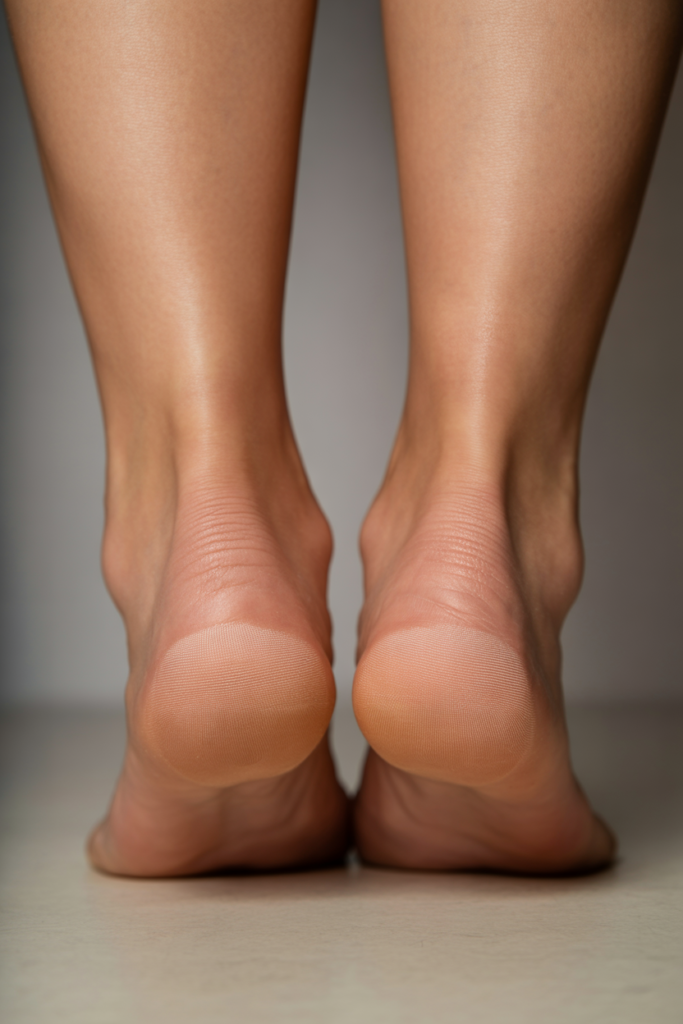
Fluid buildup, called edema, happens when the heart cannot pump blood effectively. Gravity pulls excess fluid downward, causing puffiness in the lower extremities. Your shoes may feel tight, socks leave deep marks, or pressing your finger into the skin leaves a dent. This swelling often worsens as the day progresses. While other conditions cause swelling, sudden or persistent edema deserves cardiac testing.
9. Irregular Heartbeat
Occasional fluttering or racing of the heart is normal, but frequent irregular beats are concerning. You might feel like your heart skips beats, pounds against your chest, or beats too fast or too slow. Some people describe it as a fish flopping in their chest. These arrhythmias can be harmless or life-threatening, so persistent palpitations need professional assessment. Track when they happen and what triggers them.
10. Persistent Cough
A long-lasting cough, especially one that produces white or pink-tinged mucus, can indicate heart failure. When the heart cannot keep up with demand, fluid leaks into the lungs, triggering cough reflexes. This cough often worsens when lying flat and improves when sitting up. It is easy to mistake for bronchitis or allergies, but if it persists for weeks without infection signs, consider your heart health.
11. Snoring and Sleep Apnea
Loud, chronic snoring and pauses in breathing during sleep strain the cardiovascular system. Sleep apnea causes oxygen levels to drop repeatedly, raising blood pressure and increasing heart disease risk. If you wake up gasping, have morning headaches, or feel exhausted despite sleeping eight hours, ask about a sleep study. Treating sleep apnea protects your heart and improves overall health dramatically.
12. Erectile Dysfunction
Difficulty achieving or maintaining an erection often indicates cardiovascular problems before other symptoms appear. The blood vessels in the penis are smaller than those in the heart, so they show damage first. This is not just a sexual health issue. It is an early warning that arteries throughout the body, including the heart, may be narrowing. Men experiencing this should discuss comprehensive cardiovascular screening with their doctors.
13. Gum Disease
There is a surprising link between oral health and heart health. Chronic gum inflammation allows bacteria to enter the bloodstream, potentially causing artery inflammation and infection. People with periodontal disease face higher heart attack and stroke risks. If your gums bleed easily, recede, or feel tender, see a dentist and mention your heart concerns. Good oral hygiene is heart hygiene.
14. Blue or Gray Skin Tone
A bluish or gray tint to the skin, lips, or fingernails means your blood lacks adequate oxygen. This cyanosis occurs when the heart cannot pump enough oxygen-rich blood to the body. It might appear during exertion or persist at rest. Cold skin accompanied by this color change is especially concerning. This symptom requires immediate medical attention as it signals serious circulatory problems.
15. Rapid Weight Gain
Gaining several pounds in a few days without changing your diet suggests fluid retention from heart failure. This weight is not fat. It is excess fluid that your body cannot eliminate. You might notice bloating in your abdomen, tighter clothing, and swollen limbs. Weigh yourself daily at the same time, and report sudden increases to your doctor promptly. Managing fluid levels is crucial for heart failure patients.
16. Confusion or Memory Problems
Reduced blood flow to the brain from heart issues can cause confusion, disorientation, or memory lapses. You might forget familiar names, struggle to concentrate, or feel mentally foggy. Older adults sometimes mistake this for normal aging, but it can stem from the heart not delivering enough oxygen and nutrients to brain cells. These cognitive changes warrant both cardiac and neurological evaluation.
17. Anxiety or Sense of Doom
A sudden, overwhelming feeling that something terrible is about to happen can precede heart attacks. This is not ordinary worry about a test or presentation. It is an intense, unshakeable dread that arrives without cause. Some survivors report feeling certain they were going to die. If this sensation occurs with physical symptoms like chest pain or sweating, treat it as a medical emergency.
18. Weakness in Arms or Legs
Unexplained weakness, particularly on one side of the body, can signal heart-related circulation problems or stroke risk. You might struggle to grip objects, lift your arms, or climb stairs despite being physically fit. This weakness differs from normal muscle fatigue after exercise. It feels deeper, more persistent, and often appears suddenly. Combined with speech difficulties or facial drooping, it demands emergency care.
19. Decreased Exercise Tolerance

If you cannot complete workouts that once felt easy, your heart may be struggling to meet demand. Track your performance over time. Are you stopping sooner, going slower, or needing longer recovery periods? This decline often happens so gradually that people adapt without noticing. Compare your current abilities to a year ago. Significant, unexplained drops in stamina deserve cardiac testing.
20. Neck or Jaw Pain
Pain that starts in the chest and spreads to the neck or jaw is a well-known heart attack symptom. However, some people, especially women, experience this pain without any chest discomfort. It might feel like a toothache, sore throat, or tightness in the jaw. The pain may worsen with exertion and improve with rest. Do not assume dental problems without checking your heart first.
21. Frequent Urination at Night
Needing to urinate multiple times during the night, called nocturia, can indicate heart failure. When the heart weakens, fluid pools in the legs during the day. Upon lying down, this fluid re-enters circulation, and the kidneys work overtime to remove it. If you find yourself waking two or more times nightly to use the bathroom, especially with other symptoms, discuss heart testing with your physician.