Now Reading: 11 Mailbox Landscaping Ideas You’ll Want to Steal
-
01
11 Mailbox Landscaping Ideas You’ll Want to Steal


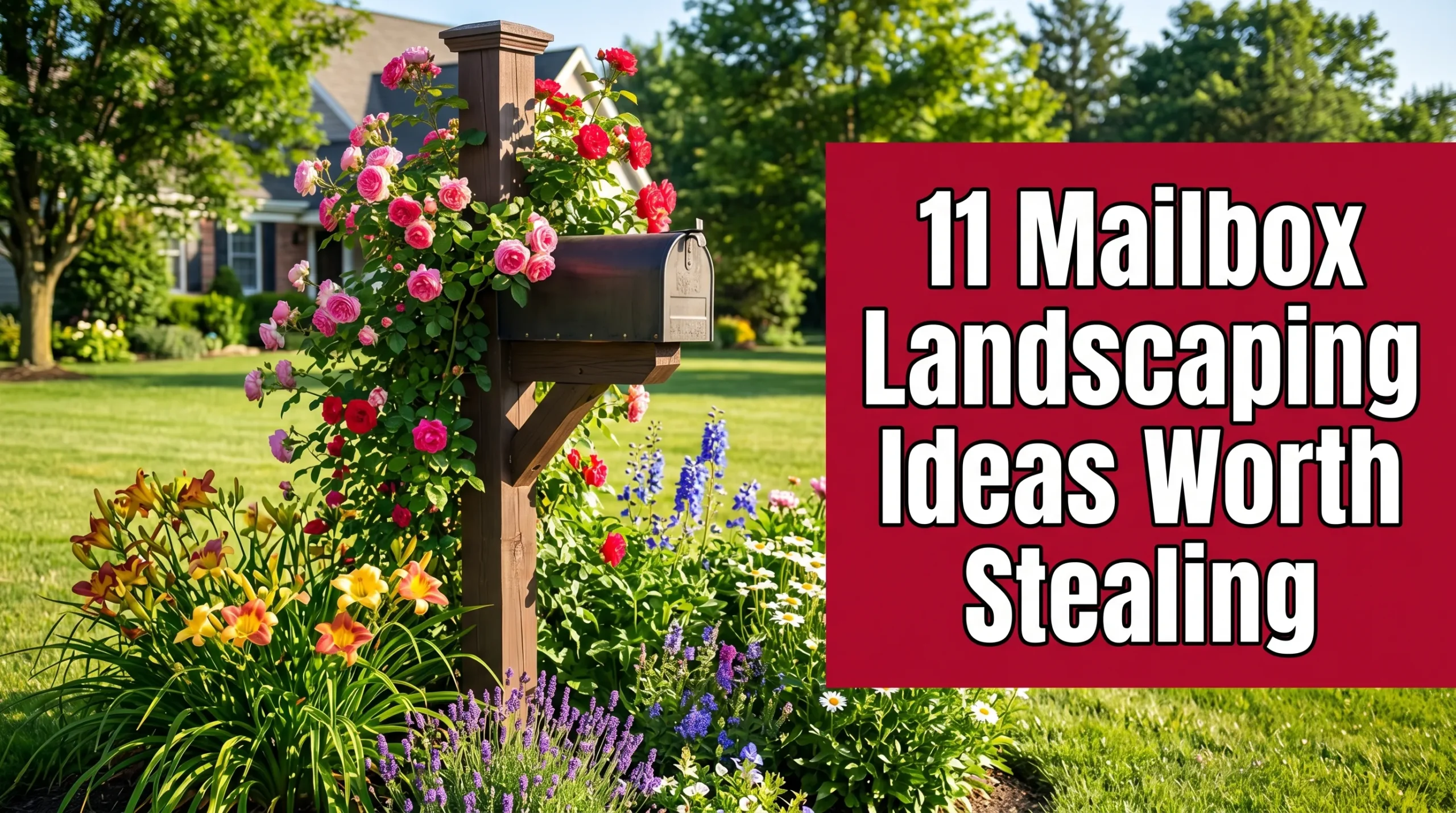
Your mailbox sits right at the front of your property and most people completely ignore the space around it. But with a little thought and a few plants, the mailbox area can become one of the most charming spots in your front yard. It sets the tone for the whole property and costs very little to do well. Here are 11 ideas that are easy to copy and genuinely make a difference to your curb appeal.
1. Low Flowering Border Around the Post
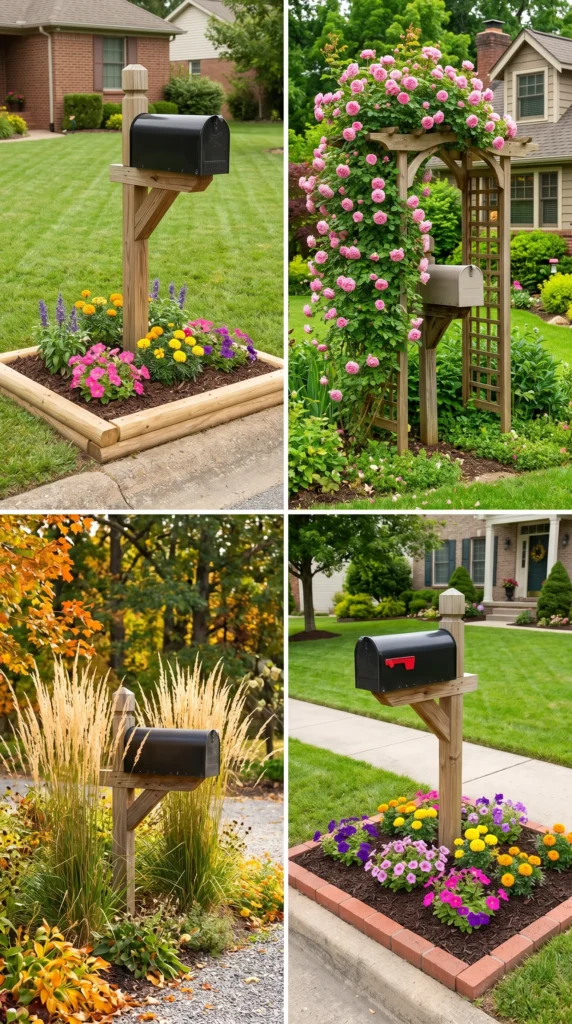
Plant a tight, low ring of flowering plants directly around the base of the mailbox post. Knockout roses, black-eyed Susans, or coneflowers are excellent choices because they come back every year with very little care. Keep the planting compact so it does not block access to the mailbox itself. A neat, full ring of flowers transforms the post from a bare utility fixture into a proper garden feature without much effort at all.
2. Boxwood Hedge Frame
Plant two small boxwood shrubs on either side of the mailbox post and allow them to grow into neat rounded shapes. The dark green structure gives the mailbox a formal, well-kept appearance year-round even when flowers are not in season. Boxwood is very slow-growing which means minimal trimming. This is one of those ideas that looks expensive and established even when it is brand new and freshly planted from small nursery stock.

3. Cottage Garden Mix with Picket Fence
Add a short section of white picket fence around the mailbox area and fill the enclosed space with a loose, casual mix of cottage garden flowers — lavender, salvia, phlox, and rudbeckia. The combination of the fence and informal planting looks charming and welcoming from the street. It softens the whole front yard entry and creates a sense that someone genuinely cares about their home and garden all year round.
4. Evergreen Groundcover Carpet
Plant a spreading evergreen groundcover like creeping phlox, vinca, or sedum around and in front of the mailbox. These plants spread slowly to fill the space, suppress weeds, and stay green through most of the year. They need almost no maintenance once established. In spring, creeping phlox covers itself in tiny flowers which creates an absolutely stunning effect around an otherwise plain mailbox post.
5. Raised Planting Bed Around the Post
Build a simple low raised bed around the mailbox post using timber, brick, or stone edging. Fill it with good quality soil and plant it with whatever combination suits your style — neat annuals, perennial mixes, or small ornamental grasses. The raised edge gives the planting a finished, intentional quality and keeps mulch and soil from washing away during heavy rain. It also makes the whole area look noticeably more polished and cared for.
6. Climbing Rose on a Post Surround
Install a simple decorative wooden or metal surround structure around the mailbox post and train a climbing rose up it. Climbing roses look incredible in full bloom and add serious curb appeal to the whole property. Choose a repeat-blooming variety so you get flowers more than once through the season. Keep the base underplanted with low groundcover to finish the look cleanly and protect the soil around the rose roots from drying out too fast.
7. Ornamental Grass Border
Plant ornamental grasses like Karl Foerster, little bluestem, or muhly grass in a small cluster around or beside the mailbox. Grasses are low maintenance, drought tolerant, and look beautiful in every season — green and lush in summer, golden and feathery in autumn and winter. They add movement to the mailbox area on breezy days which makes the whole front yard feel more alive and natural without any real effort.
8. River Rock and Drought Tolerant Plants
Surround the mailbox area with a neat patch of river rocks and plant drought-tolerant specimens like lavender, rosemary, agave, or ornamental sedge within the rocks. This look is especially good in warm, dry climates where keeping lawn grass or thirsty plants alive is a real challenge. The river rock mulch suppresses weeds completely and requires zero watering once plants are established. It looks clean, modern, and very intentional from the street.
9. Daylily Mass Planting
Plant a generous mass of daylilies around and spreading out from the mailbox post. Daylilies are practically indestructible, multiply quickly, and produce an abundance of flowers through summer in shades of yellow, orange, red, and pink. They require almost no care beyond an annual tidy-up in late autumn. A well-established mass of daylilies around a mailbox looks absolutely stunning and requires almost nothing from you to keep it going year after year.
10. Brick Border with Seasonal Mulch
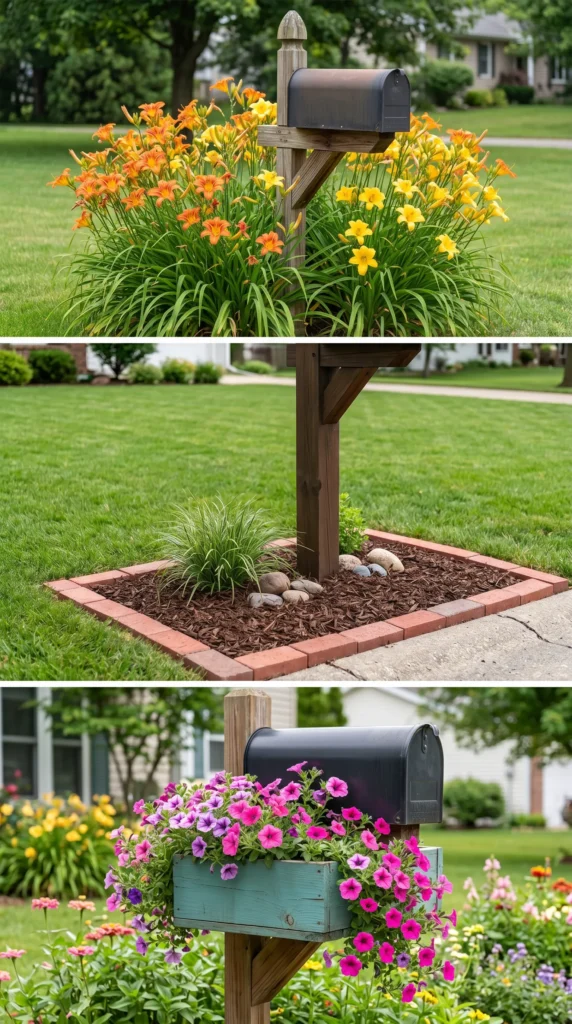
Lay a neat circle or rectangle of standard house bricks flat on the ground around the mailbox area and fill inside with fresh bark mulch. Plant one or two statement plants inside — a small ornamental grass, a compact rose, or a potted-style evergreen. The brick edging gives the whole area a tidy, defined look that is easy to maintain. Refresh the mulch once a year to keep everything looking clean and properly cared for.
11. Mailbox Mounted Planter Box
Attach a small planter box directly to the mailbox post itself and fill it with trailing petunias, lobelia, or sweet potato vine. The planter sits right at the mailbox rather than on the ground which adds height interest and keeps the plant display close to eye level from the street. This works especially well for small yards where ground space is limited. Choose a planter that complements the style and color of the mailbox for the most polished result possible.
FAQs
What plants are best for mailbox landscaping? Plants that need minimal watering and care once established are the best choice since the mailbox area can be awkward to tend regularly. Daylilies, ornamental grasses, lavender, knockout roses, and creeping groundcovers are all excellent options. Choose plants that suit your local climate and how much sun the spot receives throughout the day for the best results.
How do I keep weeds out of my mailbox planting area? Lay landscape fabric under any mulch or rock covering and use a generous layer of bark mulch or gravel on top. Keep the edges clearly defined with a brick, metal, or timber border. Groundcover plants also help significantly by filling the space so densely that weeds cannot get established at all. A well-planted mailbox area virtually manages itself once everything fills in.
Can I add lighting to my mailbox landscaping? Yes, and it makes a big difference to evening curb appeal. Solar post lights are the easiest option since they need no wiring at all. You can also use small solar stake lights pushed into the planting bed around the mailbox. These charge during the day and switch on automatically at dusk with no effort required on your part.