Now Reading: 20 Bespoke Chicken Coop Ideas
-
01
20 Bespoke Chicken Coop Ideas


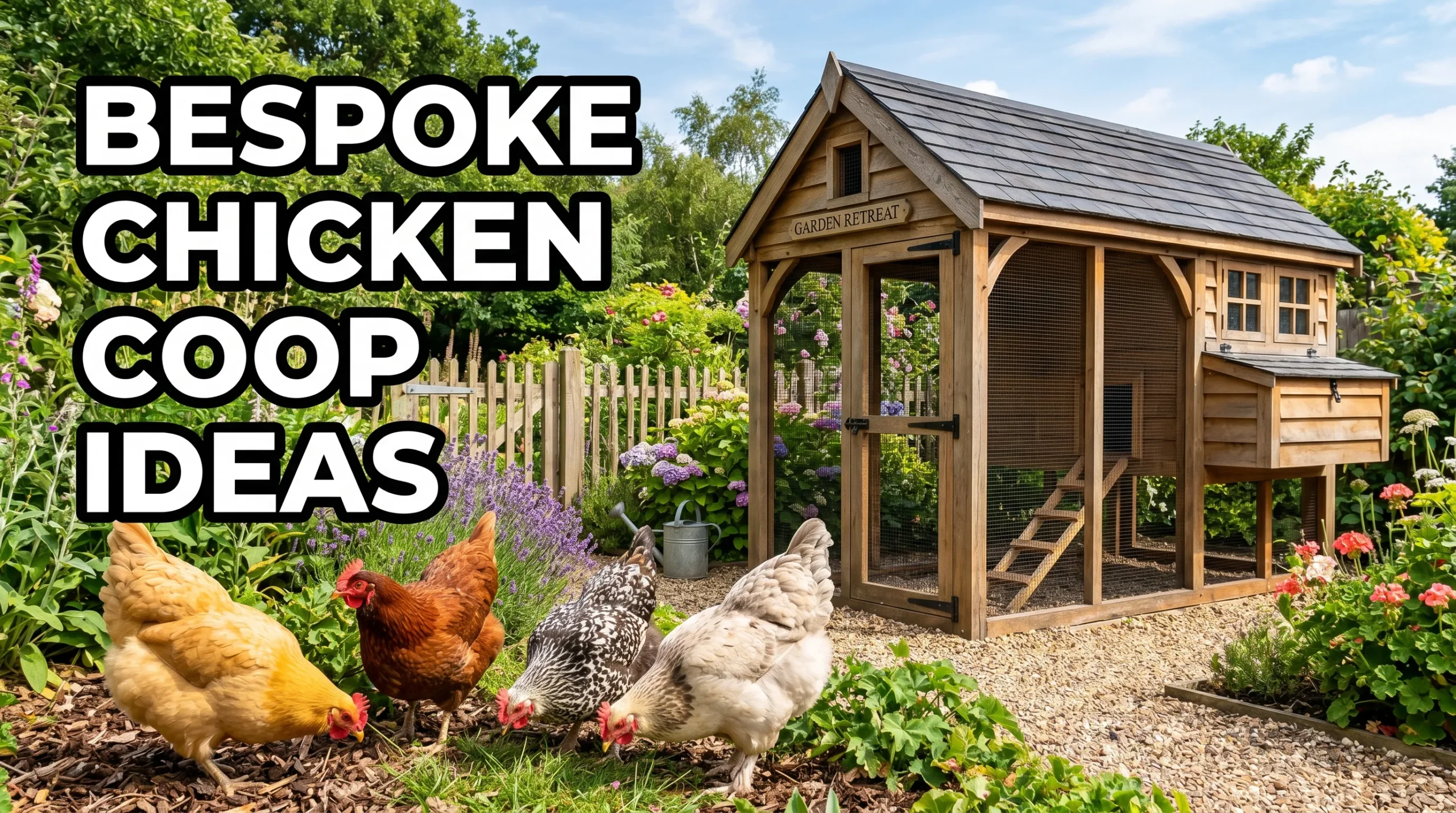
Building or designing a chicken coop doesn’t have to mean settling for a plain wooden box sitting in the corner of your yard. Bespoke chicken coops blend function with personality, transforming a practical necessity into a genuine garden feature. Whether you’re keeping three hens or thirty, a thoughtfully designed coop improves flock health, simplifies daily chores, and honestly looks beautiful doing it. These twenty ideas prove that your chickens deserve better than boring.
1. The Classic Cottage Coop
A cottage-style coop with a pitched roof, window boxes, and painted shutters turns a functional structure into a charming backyard focal point. Use exterior-grade wood, add flower boxes beneath the windows, and paint it to match your home. Hens don’t mind the aesthetics but your neighbors definitely will notice. Cottage coops work beautifully in traditional garden settings and make excellent subjects for garden photography.
2. The A-Frame Tractor Coop
An A-frame tractor coop is a moveable structure that lets you shift your flock to fresh grass every few days. The triangular frame gives it structural strength without complicated joinery, making it a great first build project. A small flock of two to four hens does well in this setup. Moving it regularly prevents bare patches in your lawn and gives chickens constant access to fresh foraging ground.

3. The Converted Garden Shed Coop
Repurposing an old garden shed into a chicken coop is one of the most practical and budget-friendly approaches available. Sheds already have solid walls, a lockable door, and often a window or two. Add roosting bars, nesting boxes along one wall, and hardware cloth over existing ventilation gaps. The extra space means your chickens stay comfortable even during harsh weather, and you’ll have room to store feed and tools inside.
4. The Raised Platform Coop
Elevating your coop on short legs or a wooden platform creates useful dry space underneath where hens can shelter from rain and summer heat. Raising the structure also improves airflow beneath the floor, keeping the interior drier and reducing ammonia buildup from droppings. It makes cleaning easier too since you can sweep waste from beneath the structure without awkward bending. Most builds raise the coop around 18 to 24 inches off the ground.
5. The Barn-Style Coop
A miniature barn coop with a gambrel roof is a showstopper in any backyard. The curved roofline creates extra interior headroom and offers that classic farmhouse look that photographs beautifully. Paint it red with white trim for the full barn effect or choose muted heritage colors for a more contemporary feel. The wide double doors make cleaning and collecting eggs remarkably straightforward compared to smaller entry designs.
6. The Walk-In Coop Design
Walk-in coops are genuinely life-changing for backyard chicken keepers. Being able to stand upright inside the coop makes daily care, deep cleaning, and catching birds for health checks so much easier. Build the walls at least six feet tall and position nesting boxes and roost bars at comfortable working heights. The extra material cost is absolutely worth it, especially as your flock grows and chores multiply.

7. The Greenhouse Hybrid Coop
Combining a small greenhouse structure with a chicken run creates a clever year-round system where chickens scratch and fertilize soil that later grows vegetables. Use polycarbonate panels on the run section to let in light while protecting birds from rain and wind. In cooler months the greenhouse effect warms the run naturally, keeping your flock more comfortable without additional heating equipment.
8. The Log Cabin Coop
A log cabin coop built from small-diameter timber or split logs brings a woodland aesthetic to your chicken keeping setup. Logs provide natural insulation, keeping the interior cool in summer and warm in winter without additional materials. Stack and notch the corners in true log cabin style or use halved logs as cladding over a standard frame. The rustic look suits cottage gardens and larger rural properties particularly well.
9. The Salvaged Material Coop
Building a bespoke coop from salvaged doors, old windows, reclaimed timber, and metal roofing creates something genuinely unique that couldn’t be replicated. Reclaimed wood often has better character and durability than new lumber. Old windows add ventilation and charm simultaneously. Sourcing materials from demolition sites, salvage yards, and marketplace listings keeps costs extremely low while producing a coop with real personality.
10. The Victorian Greenhouse Coop
Taking design cues from Victorian glasshouse architecture, this coop style uses decorative ridge cresting, arched windows, and ornate corner brackets to create something genuinely beautiful. Paint it sage green or deep teal with cream trim. The decorative elements are mostly cosmetic and don’t affect chicken welfare, but they transform the coop from a utility structure into a genuine garden statement piece worth centering your outdoor design around.

11. The French Farmhouse Coop
A French farmhouse coop draws from Provençal architecture with terracotta roof tiles, warm ochre paint, and shuttered windows. This style suits Mediterranean-style gardens and warm climates particularly well. Add a small covered porch area where hens can shelter from afternoon sun. Window boxes planted with lavender look beautiful and may offer some natural pest-deterring benefits around the structure itself.
12. The Scandinavian Minimalist Coop
Clean lines, natural wood tones, and a simple shed roof define the Scandinavian approach to coop design. There’s no unnecessary decoration, just well-proportioned structure, smart ventilation, and quality hardware. The result looks expensive even when built on a modest budget. This style works beautifully in modern gardens where fussy cottage aesthetics would clash with the surrounding design language.
13. The Storybook Coop
A storybook coop with a curved roof, round window, and whimsical details creates pure joy in a backyard garden. Use thin flexible wood strips to create the curved roofline and add a hobbit-door style entrance. Paint it in soft colors like sky blue, buttercream, or dusty rose. Children absolutely love this style, making it a wonderful addition to family gardens where imagination and function are equally important.
14. The Industrial Corrugated Metal Coop
Corrugated metal cladding over a simple timber frame creates a surprisingly contemporary and durable coop design. The material weathers beautifully over time and requires very little maintenance compared to painted wood. Pair it with exposed timber beams, black hardware, and a simple flat or mono-pitch roof for a design that looks right at home in urban backyards and industrial-style outdoor spaces.

15. The Double-Decker Coop
When horizontal space is limited, think vertically. A double-decker coop stacks the sleeping and nesting area on top with the enclosed run space beneath. The upper section keeps birds off the ground and away from ground-level predators, while the lower run area provides protected foraging space regardless of weather. This compact footprint makes it ideal for smaller urban yards where every square foot of space matters.
16. The Coop With Integrated Herb Garden
Building a raised herb garden directly into the walls or surrounding perimeter of your coop creates a functional and beautiful design feature. Plant lavender, rosemary, mint, and lemon balm around the structure. Some herbs may naturally deter external pests and mites while creating an incredibly fragrant corner of your garden. Chickens occasionally pick at overhanging herbs too, adding a small nutritional supplement to their diet.
17. The Repurposed Playhouse Coop
Children’s playhouses convert into excellent chicken coops because they’re already built to human scale with solid walls, windows, and proper doors. Remove interior furniture, add roost bars and nesting boxes, improve ventilation, and reinforce any gaps against predators. The cheerful painted exterior often requires no changes at all. This conversion approach costs a fraction of building from scratch and produces a perfectly functional, charming coop.
18. The Underground Bunker Run
Rather than an aboveground run, this design incorporates a sunken or partially buried run area that offers natural temperature regulation and predator protection. Dig down 18 to 24 inches and line the sides with hardware cloth before backfilling partially. The result is a run that stays noticeably cooler in summer, warmer in winter, and is nearly impossible for predators to dig under. The coop sits at ground level with a ramp leading down into the sunken run.

19. The Artist’s Mural Coop
Commission a local artist or grab your own brushes and transform your coop exterior into a painted mural. Folk art florals, geometric patterns, landscapes, or even whimsical chicken portraits turn a plain structure into genuine outdoor art. Exterior masonry paint works well on wood surfaces and lasts for years without fading. Your coop becomes a conversation starter and a unique expression of personality within your garden space.
20. The Eco Coop With Living Roof
A living green roof planted with sedum, moss, or wildflowers adds insulation, supports pollinators, and looks extraordinary. The roof requires a slightly stronger frame to carry the weight of the growing medium and plants. Waterproof the roof structure thoroughly before adding the growing layer. A living roof keeps the interior noticeably cooler in summer and creates a beautiful, naturalistic look that blends the coop seamlessly into a wildlife-friendly garden.
FAQs
How big should a bespoke chicken coop be? The general rule is at least four square feet of interior floor space per standard chicken and ten square feet per bird in the outdoor run. For bantam breeds you can reduce those numbers slightly. Bigger is always better since overcrowding causes stress, feather pecking, and disease. When in doubt, build larger than you think you need because most chicken keepers expand their flocks over time.
What wood is best for building a chicken coop? Cedar and redwood are naturally rot-resistant and hold up well outdoors without treatment. Pressure-treated lumber works for the frame and floor joists but should be avoided for interior surfaces where chickens roost and nest since the chemicals in older treatments could be harmful. Marine-grade plywood is excellent for cladding. Whatever you choose, paint or seal exterior surfaces to extend the life of the structure significantly.
How do I keep a bespoke coop predator-proof? Use hardware cloth rather than chicken wire over all openings because hardware cloth has smaller gaps that prevent predators from reaching through. Bury apron wire around the perimeter extending outward 12 to 18 inches to stop digging predators. Use proper latches with carabiners or padlocks rather than simple slide bolts, which raccoons can open. Check the structure regularly for gaps and repair any damage immediately.