Now Reading: 14 The Beginners Square Foot Garden Ideas
-
01
14 The Beginners Square Foot Garden Ideas


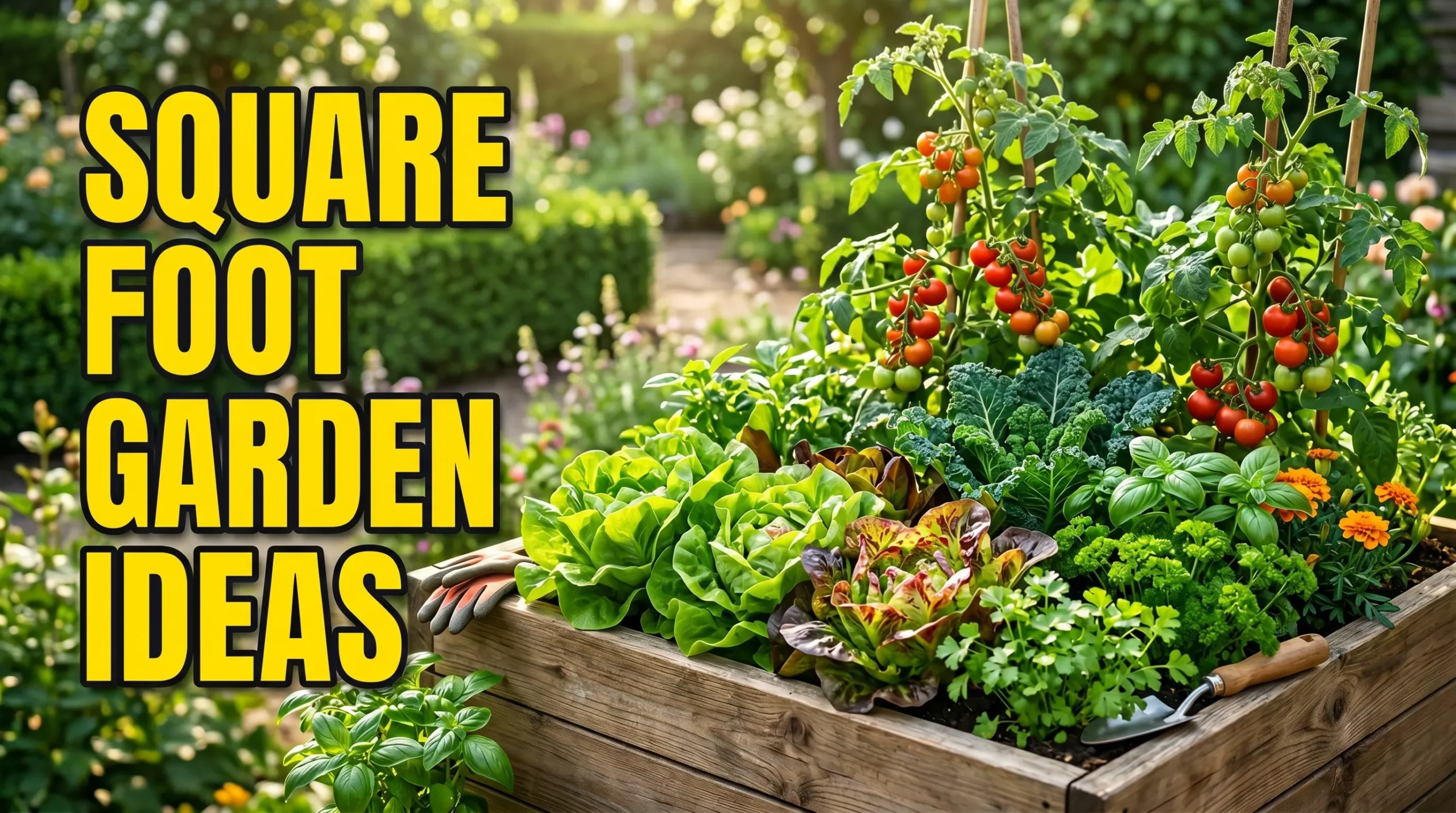
If you’ve always wanted to grow your own food but felt overwhelmed by large garden beds and complicated spacing rules, square foot gardening might just change your life. This method breaks growing space into small, manageable sections so even a tiny backyard, patio, or balcony becomes a productive garden. Whether you’re starting with a single 4×4 box or planning multiple raised beds, these beginner-friendly ideas will get you growing with confidence.
1. Start With a Simple 4×4 Raised Bed
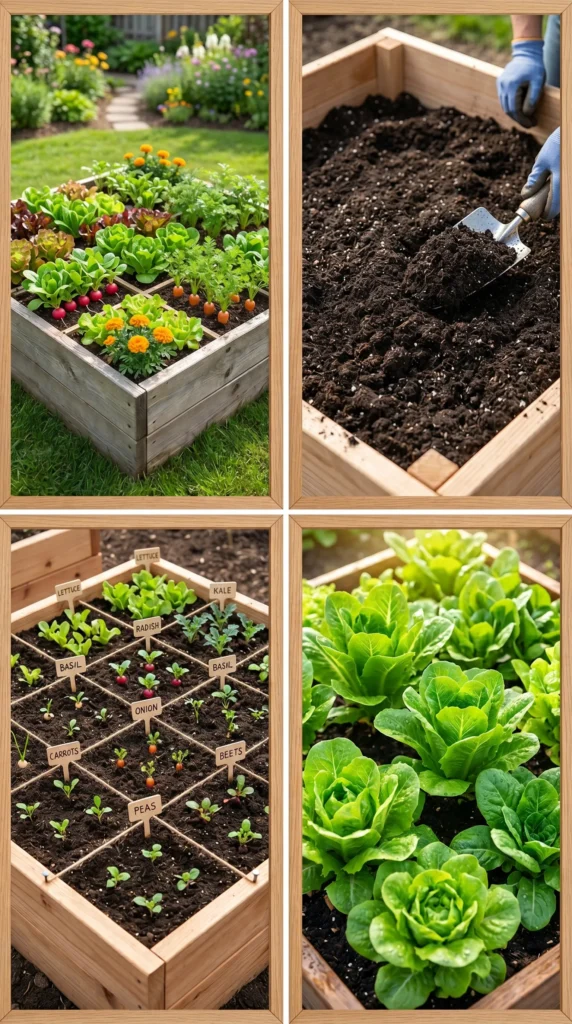
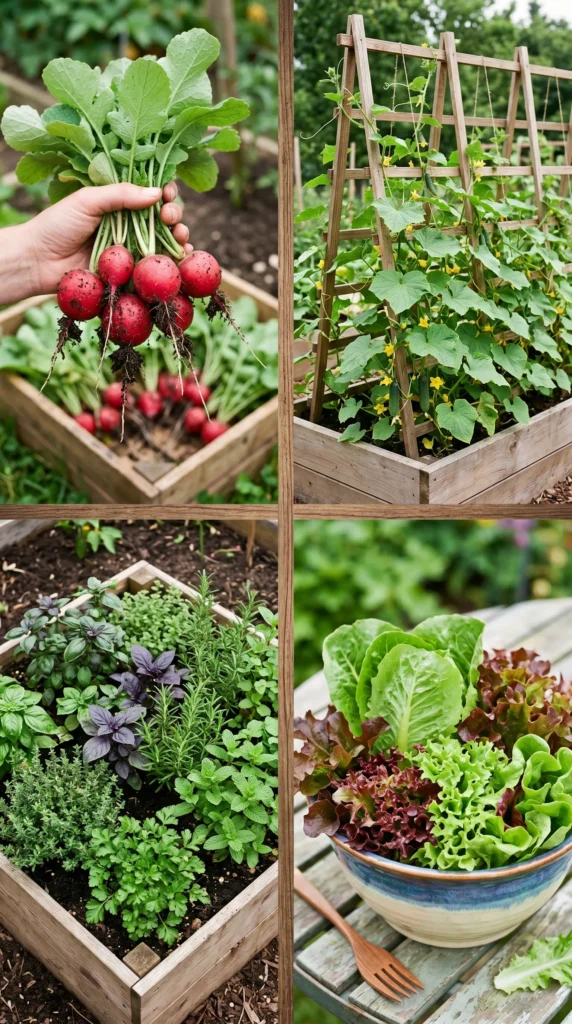
A 4×4 raised bed is the perfect starting point for any beginner. It’s small enough to reach every corner without stepping inside, which keeps soil loose and healthy. Fill it with a mix of compost, peat moss, and vermiculite for rich, well-draining soil. You can grow up to 16 different crops in this compact space, making it surprisingly productive for its size.
2. Use the Mel’s Mix for Healthy Soil
Mel Bartholomew, the creator of square foot gardening, swore by his signature soil blend called Mel’s Mix. It combines equal parts blended compost, coarse vermiculite, and peat moss. This mixture holds moisture without becoming waterlogged and stays loose enough for roots to spread freely. Starting with quality soil saves you from most beginner problems before they even begin.
3. Divide Your Bed With a Grid
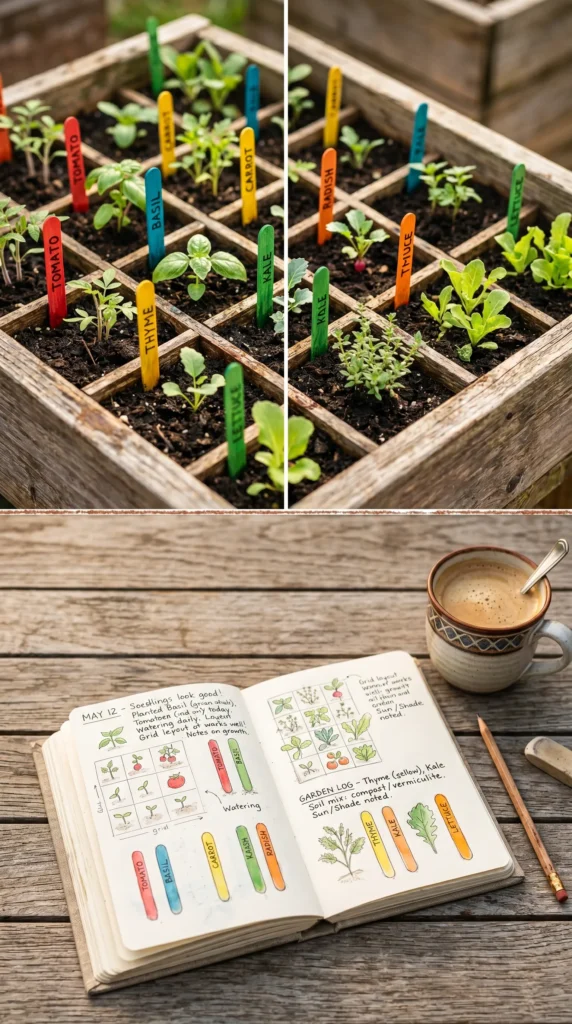
Drawing a simple grid over your raised bed transforms chaos into clarity. Use wood strips, twine, or even painted lines to mark your square foot sections. Each square gets a specific plant, so nothing gets overcrowded and you always know what’s growing where. Beginners find this visual system incredibly motivating because progress is easy to track.
4. Grow Lettuce in Every Empty Square
Lettuce is the perfect beginner crop because it grows fast, takes up little room, and can fill gaps between slower-growing plants. You can fit up to six loose-leaf lettuce plants per square foot. It also thrives in partial shade, making it useful in corners that don’t get full sun. Harvest outer leaves regularly and the plant keeps producing for weeks.
5. Plant Radishes as Quick Wins
Few things boost beginner confidence like pulling your first radishes from the ground. They’re ready to harvest in just 25 to 30 days and fit 16 per square foot. Plant them in empty squares while waiting for slower crops to establish. Radishes also help break up compact soil and can even deter certain pests when grown near other vegetables.
6. Use Vertical Space With a Trellis
Adding a trellis to one side of your raised bed instantly doubles your growing capacity. Cucumbers, pole beans, and small squash varieties climb upward instead of sprawling across your precious grid squares. Position the trellis on the north side of your bed so it doesn’t shade shorter crops. This simple addition makes your square foot garden feel much larger than it actually is.
7. Dedicate One Square to Herbs
A single square foot planted with a mix of herbs pays off in the kitchen all season long. Basil, chives, parsley, and thyme can share space when young, though basil will eventually need its own square. Herbs also attract beneficial insects and deter some garden pests naturally. Keeping them close to the kitchen door makes cooking with fresh herbs an everyday habit.
8. Try a Salad Bowl Square
One of the most satisfying beginner projects is creating a dedicated salad square. Mix three or four different lettuce varieties, some spinach, and a few arugula plants in a single square foot. Within a few weeks you’ll have a colorful, ready-to-harvest salad garden right outside your door. Cut leaves rather than pulling plants and you’ll enjoy fresh greens for months.
9. Companion Plant Tomatoes and Basil
Square foot gardening makes companion planting simple and intentional. Tomatoes and basil are classic companions because basil is believed to improve tomato flavor and repel certain insects. Give your tomato plant one full square and place basil in the neighboring square. Train the tomato up a stake or cage to keep it from taking over adjacent sections of the grid.
10. Plant Marigolds Around the Border
Marigolds are one of the most useful plants a beginner can grow because they look beautiful and do real work. Plant them along the outer edge squares of your raised bed to deter aphids, nematodes, and whiteflies. They also attract pollinators, which improves yields for everything else in your garden. French marigolds are the most effective variety for pest control.

11. Create a Children’s Corner Square
If you have kids, dedicate one or two squares entirely to child-friendly crops. Sunflowers, cherry tomatoes, strawberries, and snap peas are all easy to grow and fun for children to harvest. Giving kids ownership of their own square builds excitement and teaches patience. Even toddlers understand the magic of dropping a seed into soil and watching something edible appear weeks later.
12. Use Plastic Bottles as Mini Cloches
Protecting seedlings from late frosts doesn’t require expensive equipment. Cut the bottom off clear plastic bottles and place them over young plants like tiny greenhouses. This simple trick extends your growing season by several weeks on both ends of the year. Beginners can start planting earlier in spring and keep warm-season crops alive longer into autumn without spending a penny.
13. Label Every Square With Popsicle Sticks
Beginners often forget what they planted where, especially when seeds take weeks to germinate. Write the plant name and date on a popsicle stick or wooden skewer and stick it in each square immediately after planting. This prevents the frustrating guessing game of wondering whether you’re looking at a weed or a seedling. Simple records also help you improve your garden each year.
14. Keep a Garden Journal From Day One
A garden journal doesn’t need to be elaborate. A basic notebook where you jot down what you planted, when you watered, and what worked or failed is genuinely valuable. Over time you’ll notice patterns, like which varieties performed best in your climate or which pests arrived each season. Beginners who track their gardens improve faster and waste far less money on plants and seeds.
FAQs
How many plants can I grow in a 4×4 square foot garden? You can grow up to 16 different plant types in a standard 4×4 grid, one per square foot. Some small plants like radishes and carrots can fit 16 per square, while larger ones like tomatoes need an entire square to themselves. The number of plants per square depends entirely on mature plant size.
Do I need to water a square foot garden differently? Square foot gardens tend to dry out faster than in-ground beds because they’re raised above the ground. Water deeply a few times a week rather than a little every day. The rich soil mix retains moisture well but always check a few inches down before watering to avoid overwatering, which is one of the most common beginner mistakes.
Can I do square foot gardening in containers on a balcony? Absolutely. Square foot gardening works beautifully in large containers, fabric grow bags, and window boxes. Just make sure your container is at least 12 inches deep for most vegetables and has proper drainage holes. Balcony gardens benefit enormously from the organized, compact nature of this method since every inch of space matters.