Now Reading: 32 Genius Vegetable Garden Design Ideas
-
01
32 Genius Vegetable Garden Design Ideas


Growing your own vegetables is one of the most rewarding things you can do as a homeowner, but design matters just as much as planting. A well-planned vegetable garden is not only productive — it also looks organized, intentional, and genuinely beautiful. Whether you have a large backyard or just a small patio, these 32 genius vegetable garden design ideas will help you grow more food, save space, and enjoy every moment you spend in your garden.
1. Classic Square Foot Garden Grid
Dividing your garden bed into a grid of one-foot squares is one of the most efficient planting methods ever created. Each square gets a different vegetable based on plant size. Larger plants like tomatoes get one square while smaller ones like lettuce or radishes can share. This method maximizes yield in minimal space, prevents overcrowding, and makes harvesting and replanting incredibly easy to manage throughout the season.
2. Raised Bed With Trellis Backdrop
A raised bed with a built-in trellis along the back wall gives climbing plants like beans, cucumbers, and peas a place to grow upward instead of outward. This dramatically increases your yield per square foot. The trellis also becomes a visual feature in the garden, creating height and structure. Build it from cedar or bamboo for a natural look that blends beautifully into any backyard setting.

3. Keyhole Garden Design
A keyhole garden is a circular bed with a narrow walking path cut into the center, shaped like a keyhole from above. This design lets you reach every part of the bed without stepping on soil, which keeps it loose and healthy. It is incredibly space-efficient and also looks striking from above or from a second-floor window. Originally popular in Africa, it is now trending in home gardens worldwide.
4. Tiered Raised Beds on a Slope
If your yard slopes, tiered raised beds turn that challenge into a beautiful opportunity. Each level becomes its own planting zone, and the terraced look is dramatic and eye-catching. Water flows from top bed to lower bed naturally, reducing irrigation effort. This design is popular in hilly suburban yards where flat garden space is limited but there is plenty of vertical growing area to work with.
5. Potager-Style French Kitchen Garden
A potager is a traditional French kitchen garden that mixes vegetables, herbs, and flowers in a structured, decorative layout. Paths divide the beds into geometric sections and edible plants are combined with ornamental ones for year-round visual interest. This is one of the most beautiful vegetable garden styles and it proves that productive gardens do not have to sacrifice elegance for practicality.
6. Vertical Pallet Garden
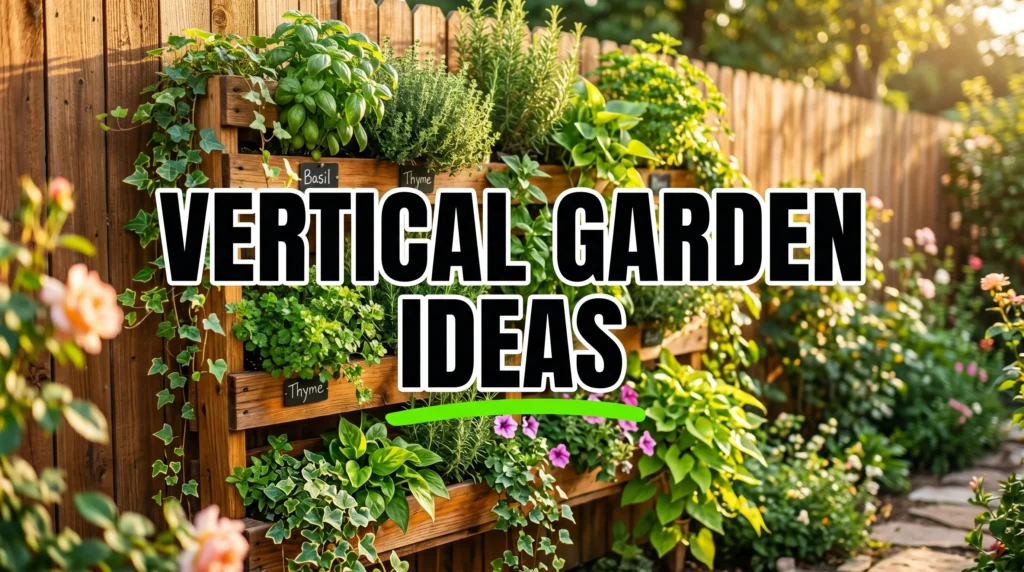
An upcycled wooden pallet propped against a fence or wall makes an instant vertical garden for compact leafy greens, herbs, and small vegetables. Fill the gaps with landscape fabric and soil, plant your seeds, and water regularly. It takes up almost no floor space and adds a charming rustic element to a small backyard or patio. Strawberries and herbs particularly thrive in this kind of setup.

7. Straw Bale Gardening
Growing vegetables directly in straw bales is an unusual but effective method. Bales are conditioned with fertilizer for a few weeks before planting, creating a warm, well-draining growing medium. They are perfect for renters, those with poor soil, or anyone who wants a temporary garden setup. By end of season, the bales break down into excellent compost material that can be used to enrich your beds the following year.
8. Companion Planting Bed
Strategic companion planting pairs plants that benefit each other naturally. The classic “Three Sisters” combo of corn, beans, and squash is a centuries-old indigenous planting method that still works beautifully. Corn provides structure for beans to climb, beans fix nitrogen, and squash shades the soil to retain moisture. Designing your garden around companion planting reduces pests, improves yields, and creates a diverse, resilient planting system.
9. Spiral Herb and Vegetable Garden
A garden spiral built from stones or bricks creates multiple microclimates in one small space. The top of the spiral is drier and sunnier, perfect for Mediterranean herbs like rosemary and thyme. The base is cooler and moister, ideal for mint and parsley. In between, vegetables with moderate needs grow happily. The spiral shape is also deeply satisfying to look at and becomes a strong garden focal point.
10. Container Kitchen Garden on a Patio
A collection of large containers on a patio or balcony can function as a complete kitchen garden. Use deep containers for tomatoes and peppers, medium ones for lettuce and herbs, and window boxes for shallow-rooted crops. Group containers at different heights using plant stands and crates for a layered, professional look. Container gardens are flexible, easy to move, and can produce a surprising amount of food in a very small footprint.

11. Hügelkultur Mound Beds
Hügelkultur is a traditional German technique of building raised beds over buried logs and organic debris. As the wood decomposes, it releases nutrients, retains moisture, and generates gentle warmth. The resulting mounded beds drain perfectly and support vegetables with very little irrigation once established. The mounds also create visual interest in the garden, giving it a naturalistic, intentional landscape quality that flat beds cannot replicate.
12. Greenhouse Cold Frame Extension
A simple cold frame made from an old window frame and a wooden box extends your growing season by weeks or even months. Place it over an outdoor garden bed or use it as a standalone mini greenhouse. Start seedlings earlier in spring or keep cold-hardy greens growing through winter. Cold frames are inexpensive to build and represent one of the highest return-on-investment DIY projects in the entire vegetable gardening world.
13. Row Planting With Wide Pathways
Traditional row planting with generously wide pathways between them makes harvesting and maintenance easy and organized. Lay wood chip mulch or straw in the paths to suppress weeds and absorb excess moisture. This method is excellent for larger gardens and allows full use of standard gardening tools. The neat, orderly aesthetic also appeals to gardeners who like their outdoor spaces to look tidy and intentionally structured at all times.
14. Circular Mandala Garden
A mandala garden is a circular design divided into pie-shaped wedge sections radiating from a central focal point like a decorative urn or birdbath. Each wedge contains a different vegetable or herb. The circular shape allows easy access from all sides and creates a meditative, visually symmetrical garden that doubles as a landscape feature. Gravel or bark chip paths between wedges make the design clean and walkable throughout the season.

15. Windowsill and Indoor Seed Station
Before planting outdoors, create a dedicated indoor seed-starting station near a sunny windowsill or under grow lights. Use seed trays, recycled yogurt containers, or small pots to start tomatoes, peppers, and herbs weeks before the last frost. Labeling and organizing your seedlings in neat rows indoors sets up your entire outdoor garden for success. This space-smart approach dramatically extends what you can grow in your local climate.
16. Backyard Food Forest
A food forest mimics a natural woodland ecosystem using edible plants at multiple height layers. Tall fruit trees form the canopy, berry bushes fill the middle layer, and herbs and vegetables cover the ground below. The system is self-sustaining once established and produces food with minimal effort. It is the most ecological and long-term investment you can make in a home garden, essentially turning your yard into a perpetual food source.
17. Wicking Bed for Water-Wise Growing
A wicking bed has a water reservoir built into its base, allowing plants to draw moisture upward through the soil by capillary action. This dramatically reduces water use and prevents both under-watering and overwatering. Wicking beds are especially popular in hot, dry climates and in urban settings where water bills are a concern. They can be built from recycled materials and installed on patios, rooftops, or in traditional garden beds.
18. Fence-Line Narrow Bed
A narrow vegetable bed planted along a fence line maximizes unused edge space in any backyard. Train vining plants up the fence itself and plant compact vegetables in front. This design uses space that would otherwise be wasted and adds green productivity to what was previously just a boundary line. Use the fence posts as anchors for vertical string supports, netting, or wire trellises for climbing plants like cucumbers and beans.

19. Pizza Garden Design
A pizza garden is planted in a circular wheel shape divided into sections, each growing an ingredient for homemade pizza — tomatoes, basil, oregano, peppers, and onions. It is a fun, educational, and highly practical garden design. Children especially love the concept because it connects what grows in the garden directly to food on the dinner table. It looks charming and intentional and works in both small and large garden spaces.
20. Balcony Vertical Tower Garden
Tower planters with stacked pockets allow dozens of plants to grow vertically in a tiny footprint. Available in felt fabric, plastic, or DIY PVC pipe designs, they work brilliantly on balconies, small patios, or against walls. Strawberries, lettuce, and herbs are ideal for tower growing. A single tower can produce more food than several square feet of ground-level planting when managed well and watered from the top consistently.
21. Sunken Garden Bed
Digging the bed slightly below grade helps retain rainwater and reduces watering frequency. Sunken beds are particularly useful in arid climates where water conservation is essential. The lowered position also protects young plants from strong winds. Line the edges with stones or bricks to define the shape and prevent soil from washing in from the surrounding lawn or pathway areas during heavy rain events.
22. Fabric Grow Bags Cluster
Clustering fabric grow bags of different sizes creates a flexible, moveable vegetable garden on any hard surface. The porous fabric prevents root circling, improves air circulation, and drains perfectly. Arrange them in a cluster or on tiered plant stands for a visually appealing setup. Move them to follow the sun throughout the season or bring them inside before frost without disturbing the plants inside.

23. Espalier Fruit and Vegetable Wall
Training fruit trees or large vining vegetables flat against a sunny wall is called espalier. This space-saving technique allows you to grow full-sized apple, pear, or fig trees in a fraction of normal space. It also makes fruit easy to harvest and prune without ladders. On a sunny south or west-facing wall, espalier plants receive maximum warmth and light, often producing more fruit per plant than free-standing trees grown in open ground.
24. Three-Bin Compost Integration
Building your compost system directly into your vegetable garden layout creates a closed-loop system. A three-bin setup lets you move compost through stages — fresh waste, actively composting, and finished compost ready to use. Placing it near your beds saves time and effort during the growing season. The bins can be made from reclaimed pallets, wood slats, or wire mesh and become a functional and visually organized part of the overall garden design.
25. Rain Barrel Irrigation System
Connecting a rain barrel to your garden irrigation reduces water bills and makes watering more consistent. Position the barrel to collect roof runoff and connect it to a drip hose that runs through your vegetable beds. Plants generally prefer rainwater over tap water, and a consistent slow drip from a rain barrel encourages deeper root growth. This sustainable setup costs very little to install and pays for itself quickly in reduced water usage.
26. Pea Gravel Path Network
Laying pea gravel paths between vegetable beds creates a clean, professional-looking garden that drains beautifully in wet weather. Gravel suppresses weeds in the paths, stays cool underfoot, and adds a polished, intentional look to the overall layout. It is much more durable than mulch paths and less muddy after rain. Define bed edges with metal or brick edging to keep gravel in place and beds looking sharp throughout the season.

27. Grow-Bag Wall Pocket System
Felt or canvas pocket systems mounted on a fence or wall allow vertical planting in an incredibly space-efficient way. Each pocket holds one plant, and multiple rows create a lush green wall effect. Herbs, lettuce, and small strawberry plants thrive in pocket systems. They are inexpensive, easy to install with just a few screws or hooks, and completely removable at end of season for easy storage and cleaning.
28. Children’s Corner Vegetable Bed
Dedicating a small section of your garden to child-sized raised beds with fast-growing, exciting vegetables makes gardening a family activity. Sunflowers, radishes, cherry tomatoes, and snap peas are ideal for kids because they grow quickly and are satisfying to pick. Painting the bed frame in bright colors and labeling each plant helps children engage and take pride in growing something from seed to table. It builds lifelong healthy habits around food.
29. Greenhouse Walk-Through Tunnel
A simple tunnel greenhouse made from metal hoops and clear plastic sheeting stretched over a garden bed creates a microclimate that protects plants and extends seasons significantly. Walk-in versions are tall enough to tend plants comfortably. This is an inexpensive solution compared to permanent greenhouse structures and can be taken down and stored at the end of the growing season with minimal effort and stored compactly in a shed.
30. Biodiversity Pollinator Strip
Adding a strip of flowering pollinator plants alongside your vegetable beds dramatically increases yields by attracting bees and other beneficial insects. Lavender, borage, marigolds, and calendula all attract pollinators while deterring many common garden pests naturally. The pollinator strip also makes the vegetable garden look more beautiful and balanced. It transitions the productive growing space from purely utilitarian to something genuinely lovely and ecologically vibrant.

31. Repurposed Bathtub or Sink Garden
Old bathtubs, sinks, and even vintage enamel buckets make charming repurposed planters for a vegetable garden. They already have drainage holes or are easy to drill. Their depth suits root vegetables beautifully. Placed on gravel or a paved surface, a repurposed bathtub filled with herbs and tomatoes makes a genuinely unique garden statement. This upcycled approach is budget-friendly, creative, and gives old items a beautiful second life.
32. Intensive Planting Block System
Instead of rows, plant in dense blocks with minimal spacing between plants. This method suppresses weeds naturally as leaves create a canopy over the soil, retains moisture better than open-row systems, and maximizes yield in every square foot. Block planting works best in raised beds with rich, loose soil. It looks lush and abundant when viewed from a distance, making the garden appear productive and full even early in the season.
FAQs
What vegetables are easiest to grow for beginners? Lettuce, radishes, cherry tomatoes, zucchini, and green beans are ideal for beginners. They grow quickly, respond well to basic care, and produce satisfying yields without demanding expert-level knowledge or special equipment.
How do I prevent pests in a vegetable garden naturally? Companion planting, row covers, and encouraging beneficial insects are the most effective natural pest management strategies. Marigolds deter aphids and nematodes, while basil repels many flying insects. Physical barriers like netting are also highly effective.
How much sunlight does a vegetable garden need? Most vegetables need at least 6 to 8 hours of direct sunlight daily. Leafy greens like lettuce and spinach tolerate partial shade better than fruiting plants. Always choose your sunniest spot for tomatoes, peppers, cucumbers, and squash.