
Now Reading: 18 Coleus Planter Ideas That Actually Work
-
01
18 Coleus Planter Ideas That Actually Work


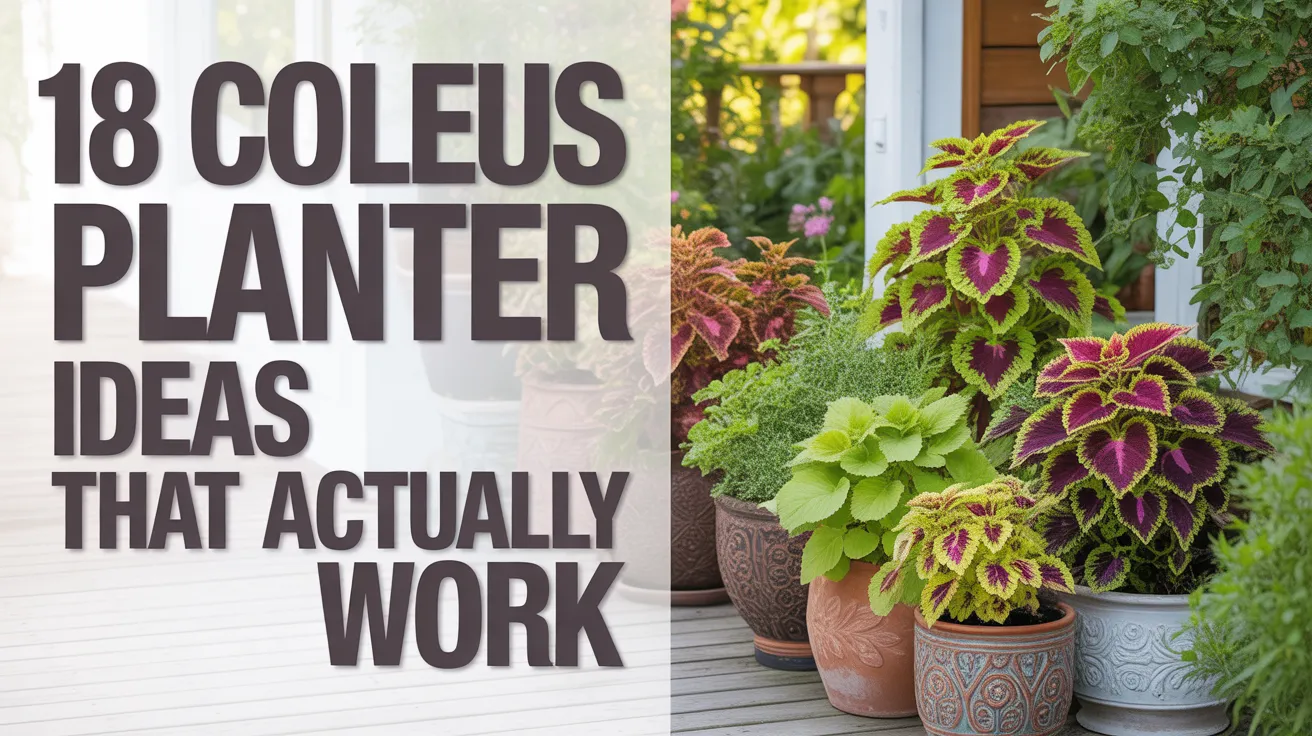
Coleus is one of those plants that makes you look like a gardening expert without putting in too much effort. The bold, colorful leaves come in so many patterns and shades that you can mix and match them endlessly. Whether you have a sunny porch, a shaded balcony, or a small garden corner, there is a coleus combo that fits. These 18 planter ideas are practical, good-looking, and easy to pull off even if you are just getting started.
1. Classic Terra Cotta Pot with Mixed Coleus Varieties
Terra cotta pots are a natural match for coleus because the earthy orange tone makes the leaf colors pop even more. Try planting two or three different coleus varieties together — one with lime green edges, one deep burgundy, and one with a splashed pattern. The contrast is stunning and the clay pot keeps moisture balanced so roots stay happy without getting soggy.
2. Hanging Basket with Trailing Coleus
Not all coleus grows upright. Some varieties have a slightly trailing habit that works beautifully in hanging baskets. Fill the basket with a mix of a trailing type and a bushy center variety. The result looks full and layered from all angles. Hang it somewhere with bright indirect light and water it regularly since baskets dry out faster than ground containers.
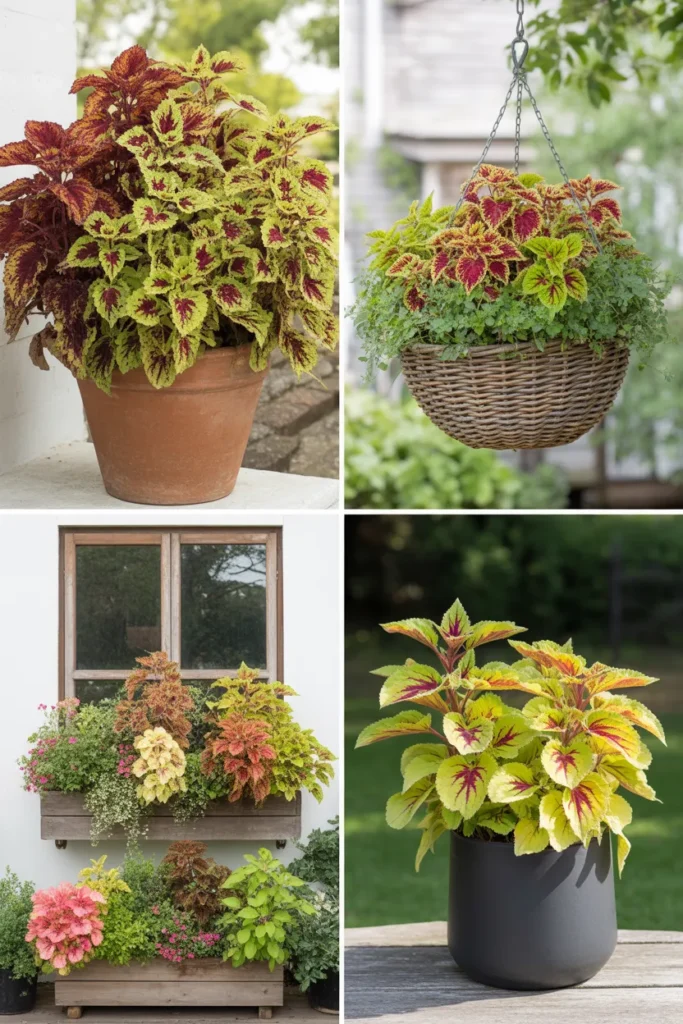
3. Window Box Coleus Display
A window box packed with coleus gives your home serious curb appeal without needing flowers. Use a long rectangular box and plant in groups of three — alternate between tall upright types in the center and more compact varieties along the edges. The foliage is colorful enough on its own that you will not miss blooms at all.
4. Black Pot with Gold and Lime Coleus
Dark pots create a dramatic backdrop that makes bright coleus colors look almost electric. A matte black planter filled with gold, chartreuse, and yellow-green coleus varieties is a showstopper. This combo works especially well in shaded spots where flowering plants struggle, giving you color in places most gardeners give up on.
5. Stacked Tiered Planter
Tiered planters give you more planting space without taking up more ground area. Plant a taller, more upright coleus variety on the top tier and cascading or compact types on the lower shelves. Choose colors that complement rather than compete — maybe a dark wine on top and a lighter pink-edged variety below.
6. Galvanized Metal Tub for a Rustic Look
Old galvanized tubs or buckets give a farmhouse feel that pairs surprisingly well with wild coleus foliage. Fill a large tub with several plants of the same variety for a bold, unified look, or mix it up with contrasting leaf patterns. Drill drainage holes if the tub does not have them — coleus roots do not like sitting in water.
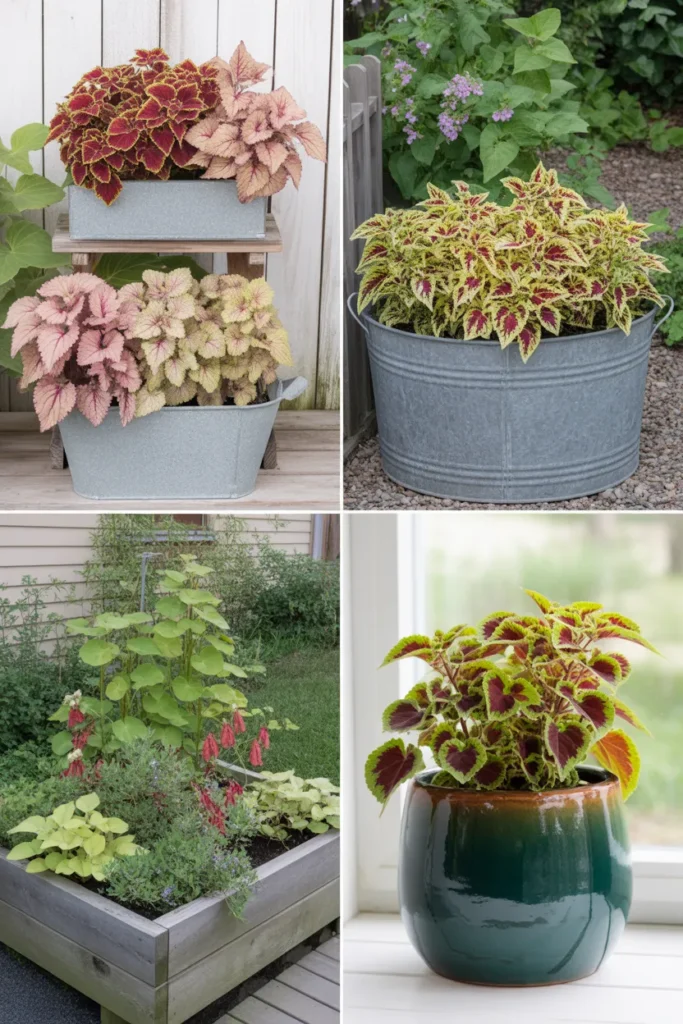
7. Raised Planter Box on the Patio
A raised wooden planter box lets you control the soil quality and makes a statement on any patio. Fill it with a quality potting mix and plant a combination of tall and short coleus varieties for a layered look. Add a few sweet potato vine plants around the edges for extra trailing texture that flows over the sides.
8. Coleus in a Ceramic Glazed Pot
Glazed ceramic pots in deep blue, teal, or forest green make coleus leaves look like they belong in a botanical painting. The glossy surface reflects light and the sturdy walls hold moisture a bit longer than terra cotta, which means slightly less frequent watering. Choose a pot with a drainage hole and a saucer to catch runoff.
9. Repurposed Wooden Crate Planter
Old wooden crates from a market or hardware store are surprisingly good planters when lined with burlap or landscape fabric. The rough wood texture gives coleus an organic, garden-market kind of feel. Paint the crate in a soft white or leave it natural for a rustic look. Plant densely for a lush and overflowing effect.
10. Coleus with Ferns in a Shaded Corner
If you have a dark shaded corner that nothing seems to like, try pairing coleus with ferns. Both thrive without direct sun and together they create a layered, woodland feel. Use a wide shallow pot or trough, place the ferns at the back, and fill the front and sides with colorful coleus varieties. Mist occasionally in dry weather.
11. Bright Red Coleus in a White Planter
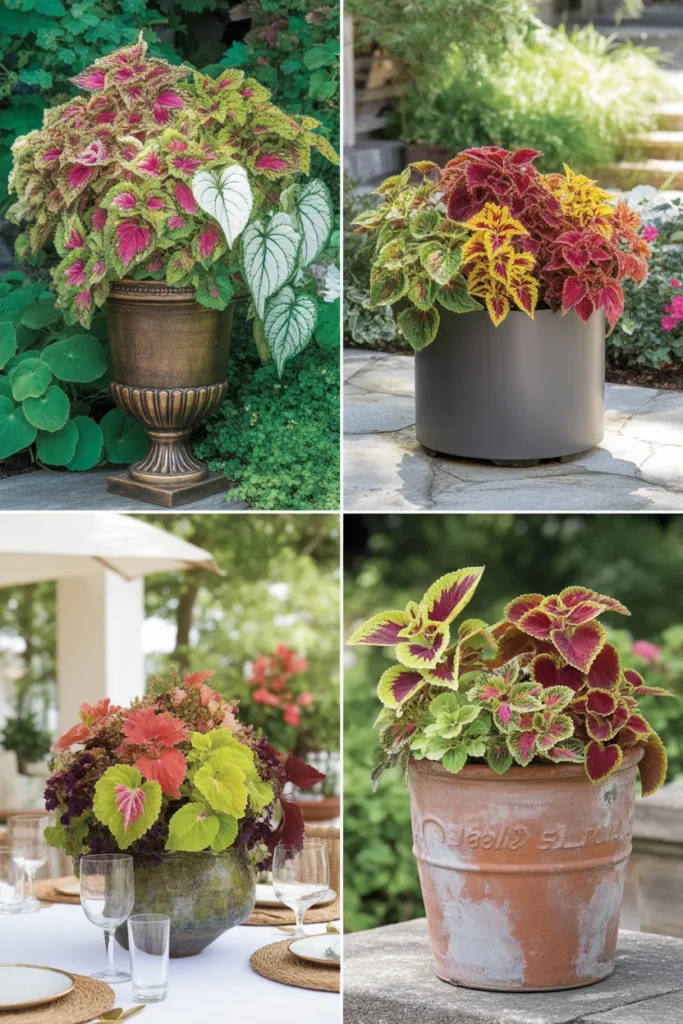
White planters are one of the cleanest ways to showcase coleus. The neutral background does not compete with the leaf color at all. Red or deep crimson coleus varieties look especially rich against a white pot. Add one or two varieties with lighter edges to give the planting some contrast and visual movement.
12. Monochromatic Purple and Burgundy Theme
For a moody and sophisticated look, stick to one color family. Deep purple, burgundy, and wine-toned coleus varieties planted together in a dark pot create a dramatic display that looks intentional and curated. This works really well on modern patios or entranceways where you want something elegant rather than playful.
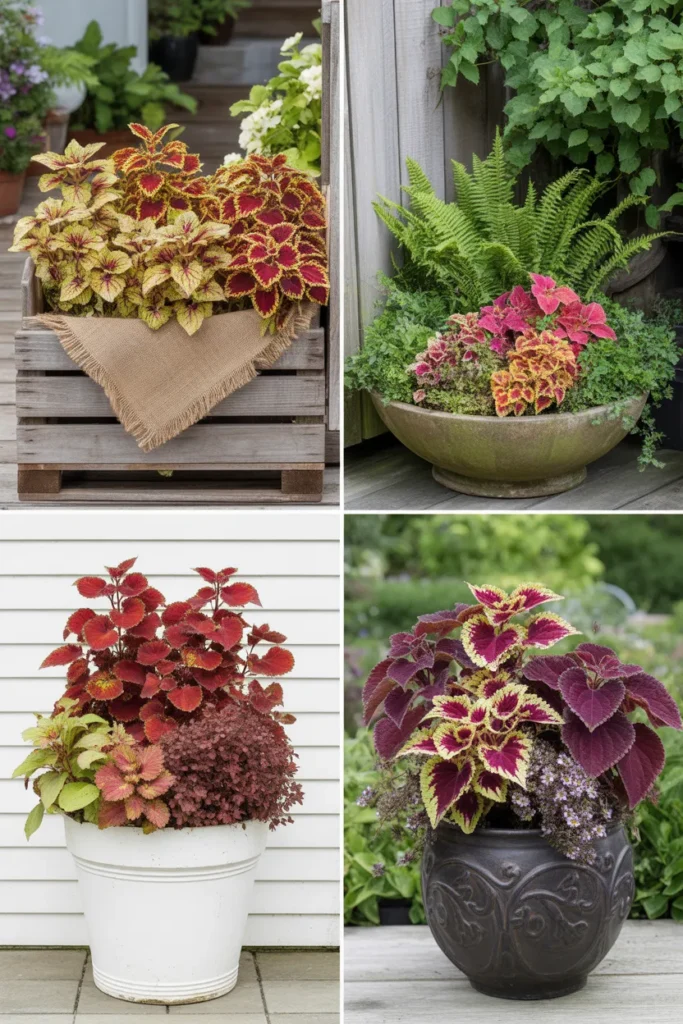
13. Coleus with Caladiums in a Large Urn
Large decorative urns give any space a classical garden feel. Fill them with a mix of coleus and caladiums — both thrive in similar conditions and their patterned leaves work together beautifully. Caladiums bring white and pink into the mix while coleus adds depth and range. The combination looks expensive but is very affordable.
14. Self-Watering Container for Busy Gardeners
If you tend to forget watering, a self-watering container is your best friend for coleus. These pots have a reservoir at the bottom that plants draw from as needed. Coleus planted in a self-watering container stays consistently moist, which keeps leaves vibrant and prevents the drooping that happens when the plant dries out too much between waterings.
15. Colorful Coleus Centerpiece on an Outdoor Table
A medium-sized pot of mixed coleus sitting in the center of an outdoor dining table acts as a living centerpiece. Choose varieties with high contrast patterns — pinks, greens, and creams together look especially good. Just make sure the table gets some light during the day and bring the pot inside if temperatures drop significantly overnight.
16. Coleus in a Strawberry Jar
Strawberry jars have openings along the sides that are perfect for tucking small coleus plants into. Plant a different variety in each pocket for a patchwork effect of colors and patterns. The key is to water deeply from the top and make sure moisture reaches all the pockets, especially the lower ones which tend to miss out.
17. Long Rectangular Trough for a Balcony Rail
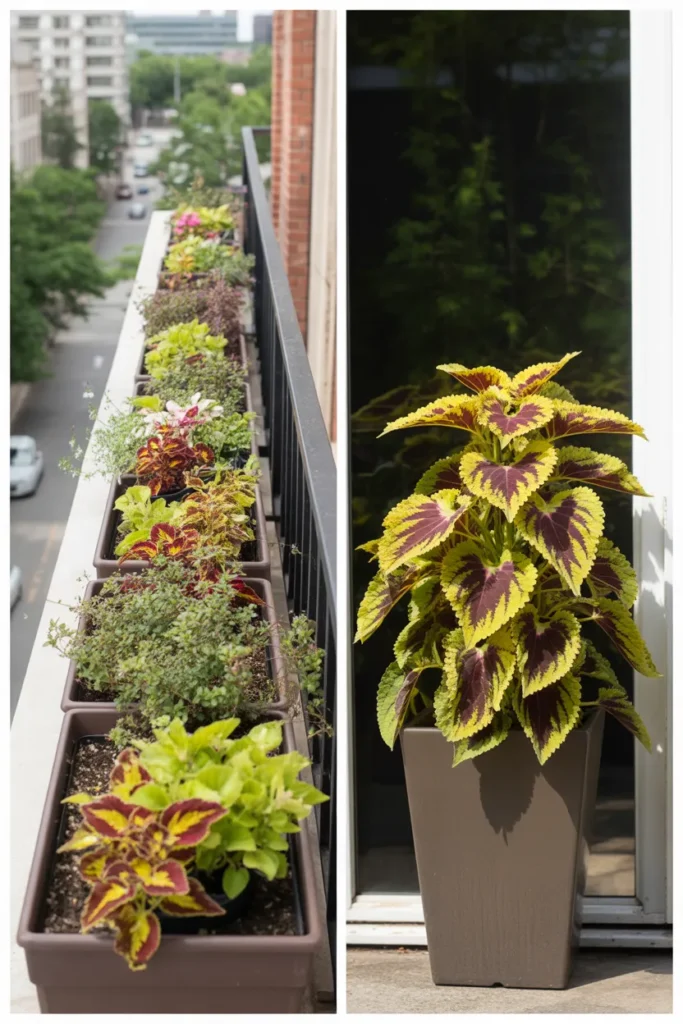
Narrow rectangular troughs that fit along a balcony railing are an excellent way to bring color to small outdoor spaces. Plant coleus along the full length, mixing tall and compact varieties, and watch it fill in within a few weeks. The railing height puts the colorful foliage at eye level, which makes a real visual impact.
18. Coleus Solo in a Statement Pot
Sometimes one bold plant in one great pot is all you need. Choose a large, interesting pot — textured, handmade, or with an unusual shape — and plant a single large coleus variety that is known for its dramatic leaf pattern. Position it near an entrance or at the end of a path where it will get noticed and admired.
FAQs
Can coleus grow in full sun? Most coleus varieties prefer bright indirect light or partial shade. Some newer sun-tolerant varieties can handle morning sun, but harsh afternoon sun tends to fade the leaf colors and stress the plant. When in doubt, give it filtered light and the colors will stay vivid.
How often should I water coleus in planters? Coleus in containers dries out faster than in the ground, so check the soil every day or two, especially in warm weather. Water when the top inch of soil feels dry. Overwatering is just as harmful as underwatering, so always make sure your pot has good drainage.
Why does my coleus look dull and faded? Faded coleus is usually getting too much direct sun or not enough water. Move it to a spot with more shade and adjust your watering schedule. Removing the flower spikes as they appear also helps the plant put its energy back into producing vibrant, colorful leaves.


